
People
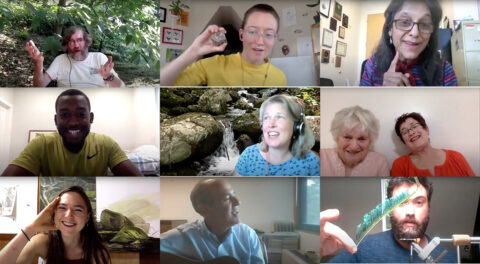
We are a multidisciplinary community of scientists, students, technicians, educators, artists, and environmental leaders.
Science
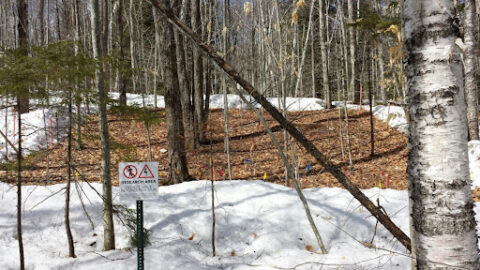
We combine long-term monitoring and ecological experiments to build knowledge about the northern hardwood forest.
Impact
Our outreach programs bridge the gaps between science and education, policy, land use, and corporate sustainability.
Welcome
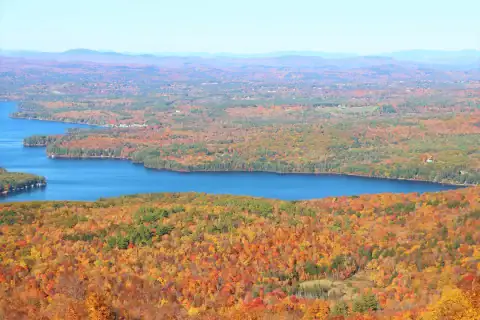
The Hubbard Brook Ecosystem Study is a long-term, collaborative research program that takes place in the Hubbard Brook Experimental Forest, a 7,800-acre field site in the White Mountains of New Hampshire. For more than six decades, scientists have used long-term monitoring, experiments, and modeling to build fundamental knowledge about the northern hardwood forests of eastern North America. The Study is a partnership among the USDA Forest Service, the National Science Foundation’s Long Term Ecological Research (LTER) and Long Term Research in Environmental Biology (LTREB) programs, the Hubbard Brook Research Foundation, and scientists from research institutions throughout the world.



Upcoming Events
Search Website
Latest News
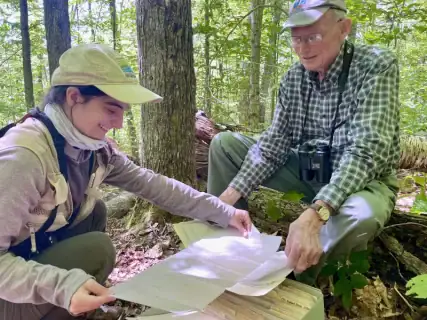
Hubbard Brook is part of the National Science Foundation’s Long Term Ecological Research (LTER) Network, a group of research programs investigating ecological patterns and phenomena across the diverse biomes of North America and beyond.
Hubbard Brook is a USDA Forest Service Experimental Forest, operated by the Northern Research Station. The Hubbard Brook Experimental Forest is part of a network of 84 Forest Service Experimental Forests and Ranges (EFRs).