Skip to content
HBES logo 1108x200px
  • About
    • About the Study
    • About the Forest
    • About Us
    • Code of Conduct
    • People
    • News
    • Events
    • Jobs & Opportunities
    • Contact Us & Visit
  • Research
    • General Research Overview
    • LTER
    • Conceptual Model
    • Guide for Researchers
    • Experimental Watersheds & Research Sites
    • Field Orientation Guides
    • Research Proposal Submission
  • Publications & Media
    • Publications
    • Online Book: A Synthesis of Scientific Research at Hubbard Brook
    • Public Reports and Fact Sheets
    • Newsletters
    • Multimedia Feature Stories
    • Photo Galleries
    • Videos
  • Data
    • Hubbard Brook Data Catalog
    • RealTimeData
    • Species Lists
    • Sample Archive
    • LTER Network Data Resources
    • Information Management
  • Education
    • Field Trips & Tours
    • Zoom-a-Scientist
    • K-12 Education Program
    • Undergraduate & Graduate Training
    • Online Book: A Synthesis of Research at Hubbard Brook
  • Science & Society
    • Art-Science
      • Visiting Artists
      • WaterViz
    • Young Voices of Science
    • Policy Briefings & Youth Climate Forums
    • Hubbard Brook Roundtables
    • Science Links
    • Partnerships & Citizen Science
    • Featured Speakers
    • Resolution Flowchart
  • Hubbard Brook
    Research Foundation
    • About HBRF
    • Staff
    • Trustees
    • Facilities
  • Visiting Artists

Support

Projects

Home > Projects

LTER: Hubbard Brook Long Term Ecological Research

LTREB: Streams to Screens: Bringing the Hubbard Brook Watershed Ecosystem Record (HB-WatER) into the 21st Century

Changing Seasonality & Nitrogen Oligotrophication in the Northern Hardwood Forest

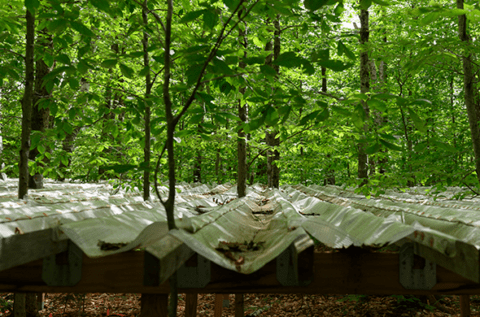
Climate Change Across Seasons Experiment (CCASE)

Ice Storm Experiment (ISE)

Embedding Public Engagement with Science at Long Term Ecological Research Sites (PES@LTERs)

Bioacoustic recording of the birds of Hubbard Brook

Multiple Element Limitation in Northern Hardwood Ecosystems (MELNHE)

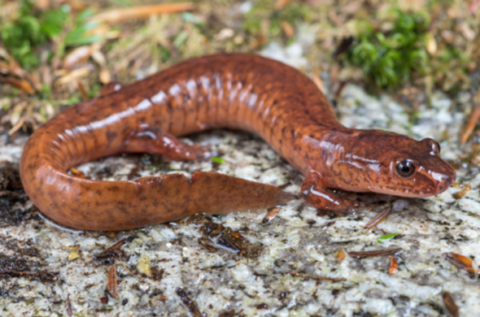
Stream salamander population ecology and evolution

DroughtNet

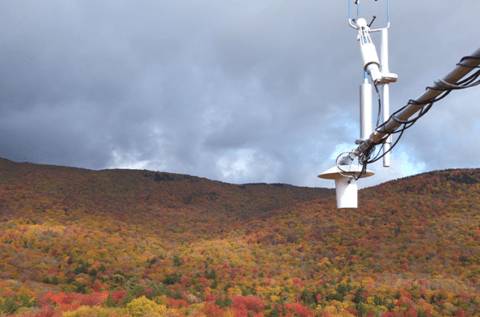
Hubbard Brook Flux Tower

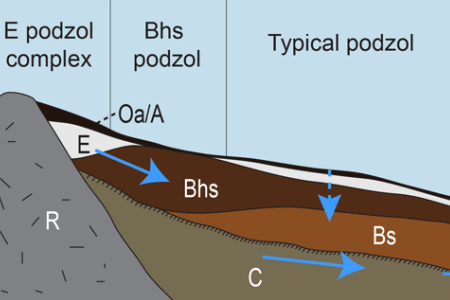
A Hydropedologic approach to understanding the structure and function of the Hubbard Brook Forested Ecosystem

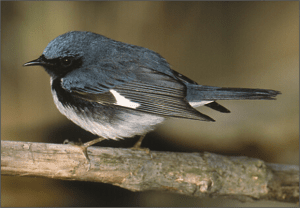
Effects of a lengthening green season on breeding strategies of a migratory bird

Terrestrial Denitrification and Environmental Change

Valleywide Vegetation Survey

For Researchers

  • Guide for Researchers
  • Data Catalog
  • Research Sites
  • Publications
  • Personnel Directory

For Educators

  • About the Forest
  • K-12 Education Program
  • Undergraduate and Graduate Training
  • Field Trips & Tours
  • Online Book

For Friends

  • About HBRF
  • Featured Speakers & Zoom-a-Scientist
  • News
  • Events

Our work is supported by the National Science Foundation (DEB #8702331, #9211768, #9810221, #0423259, #1114804, 1637685, #2224545), the USDA Forest Service and other government and private funders. Any opinions, findings, conclusions, and recommendations in this web site are our own, and do not necessarily reflect the views of the funding organizations. The Hubbard Brook Experimental Forest is located on unceded Abenaki land in the southwestern part of the White Mountain National Forest in New Hampshire.

lter sq logo white text 640x649px
NSF logo 200x200px footer
USFS logo 200x222px footer
HBRF Logo white text 200x364

© Copyright - Hubbard Brook Ecosystem Study. Except where otherwise noted, material may be re-used under a Creative Commons BY-SA 4.0 license.